What Is Core Material? A Guide for Bodyboards Buyers (2026)
As an Amazon Associate we earn from qualifying purchases. Links on this page are affiliate links.
Understanding PE Core Material
The core material explained reveals the heart of your board. For many entry-level and intermediate models, manufacturers choose PE foam. This stands for polyethylene. It is a closed-cell plastic foam. This structure traps air bubbles inside the material. The result is a board that floats reliably. You do not need to worry about water absorption. The foam does not soak up moisture like some other materials. This makes it durable and low maintenance.
PE cores are typically lightweight. They offer a buoyant feel in the water. This buoyancy helps you stay on top of the waves. It makes paddling easier, especially when you are just starting out. The material is also quite flexible. This flexibility can absorb some impact. If you fall off, the board may bounce back better than rigid options. However, stiffness varies by thickness and construction. Thicker boards generally feel stiffer. This provides more stability for larger riders.
When you look at listings, you will see this spec labeled as PE Core. It might also appear as polyethylene foam. Some brands use specific trade names. But the base material remains the same. You should check the thickness as well. Thinner cores may feel softer. Thicker cores provide more lift. This combination of material and thickness defines your ride.
Buyers care about this spec because it affects performance. A PE core is cost-effective. It allows manufacturers to keep prices lower. It is also easy to shape. This means you have many design options. The trade-off is often less responsiveness compared to high-end EPS or PVC cores. But for casual use, it works well. You get a reliable, floaty board. It handles everyday surfing without issue. Just verify the core type before buying. Ensure it matches your skill level. This simple check helps you choose wisely.
Understanding PE Core Boards
PE Core
PE stands for polyethylene. This closed-cell foam traps air bubbles to create buoyancy. You get a board that floats well and resists water absorption. The material is durable against dings and impacts. It offers a stiff, responsive ride for carving. Beginners and intermediate riders often choose this core for stability. It handles beach riding conditions reliably. The trade-off is weight. Thicker boards can feel heavier in the water. You might find models like the Morey Mach 7 or the Thurso Surf 42" using this core. They provide consistent performance without complex maintenance. You do not need to worry about the core swelling over time. This makes it a practical choice for frequent use.
HDPE Slick
The slick is the top layer you stand on. HDPE means high-density polyethylene. This plastic surface is smooth and fast. It reduces friction between the board and the wave. You gain speed when riding down the face. The material is also very tough. It resists scratches from sand and rocks. Many PE core boards use this slick for durability. The Contour SURF 42" and BZ T-10 are examples. You get a slick that lasts through many sessions. The downside is it can feel slippery when wet. You need good foot placement. This combination of PE core and HDPE slick is common for reliable performance.
Is PE Core Worth It?
Who needs it
You should prioritize a board with a PE core if you are new to bodyboarding or plan to ride in rough, rocky conditions. This material is built to last. Because it is a closed-cell foam, it does not absorb water. This keeps the board light and buoyant over time, even if you drop it on concrete or crash into shallow reefs. You will appreciate the durability. The material resists dings and impacts better than many alternatives. This means less worry about minor scratches or dents ruining your gear. The stiff, responsive ride helps you generate speed and control your turns effectively. If you want a reliable, low-maintenance board that handles abuse well, this core is a smart choice. It offers a practical balance of performance and toughness for everyday use in the surf.
Who can skip it
You can ignore the PE core if you are a high-performance rider looking for a specific feel. Some advanced bodyboarders prefer EPS or PU cores for a softer, more flexible ride. These materials offer different flex patterns that help with wave absorption and maneuverability. If you care about subtle feedback from the wave face, PE might feel too rigid. You might also skip it if you are looking for a lightweight, eco-friendly option. PE is a plastic foam, which may not align with your environmental values. In that case, look for boards made with sustainable materials or different foam types. Prioritize flex characteristics and weight over durability if you plan to ride in clean, sandy conditions where impact damage is rare. Your skill level and riding style should guide this choice.
Bodyboard Core Glossary
Closed-cell foam
A material structure where air bubbles are trapped and isolated. This prevents water absorption, keeping the board lightweight and buoyant even if the surface is scratched.
Polyethylene (PE)
A durable, closed-cell plastic foam often used in entry-level boards. It offers good impact resistance and maintains shape, making it ideal for beginners riding in rocky areas.
Buoyancy
The ability of the board to float on water. Core materials like PE foam provide inherent buoyancy, helping you stay afloat and making paddling easier.
Impact resistance
The board's ability to withstand hits against rocks or sand without cracking. PE cores excel here, offering durability for rough conditions and frequent use.
Water absorption
The amount of water a material takes in over time. Closed-cell foams resist this, ensuring the board does not become heavy or soggy after repeated exposure.
Responsive ride
How quickly the board reacts to your movements. A stiff core material transfers energy efficiently, allowing for sharper turns and better control while riding waves.
Ding resistance
The capacity to avoid surface damage from impacts. Durable cores minimize cosmetic and structural damage, extending the lifespan of the board during active use.
Quick picks
| # | Product | Best for | Price |
|---|---|---|---|
| 1 | Morey Mach 7 41-Inch Crescent Tail Bodyboard | Intermediate riders in cool water | Check price of Morey Mach 7 41-Inch Crescent Tail Bodyboard on Amazon |
| 2 | THURSO SURF 42" PE Core Bodyboard | Beginners and intermediate riders seeking stability | Check price of THURSO SURF 42" PE Core Bodyboard on Amazon |
| 3 | Contour SURF 42" PE Core Bodyboard | Riders under 200 lbs seeking speed | Check price of Contour SURF 42" PE Core Bodyboard on Amazon |
| 4 | Morey Turbo 4 Classic Bodyboard | Intermediate to advanced riders seeking drive | Check price of Morey Turbo 4 Classic Bodyboard on Amazon |
| 5 | BZ T-10 42-Inch Crescent Tail Bodyboard | cold-water surfing and barreling waves | Check price of BZ T-10 42-Inch Crescent Tail Bodyboard on Amazon |
Our 5 picks

Morey Mach 7 41-Inch Crescent Tail Bodyboard
Best for: Intermediate riders in cool water
- Core Material
- PE Core (what this guide is about)
- Board Length
- 41"
- Slick Material
- HDPE
- Stringers
- Single Power Rod Stringer
- Deck Material
- TC8 / NXLPE
- Tail Shape
- Crescent Tail
View on Amazon: Morey Mach 7 41-Inch Crescent Tail Bodyboard Affiliate link
The Morey Mach 7 is a bodyboard featuring a Polyethylene (PE) core, which provides durable recoil and stable flex. It includes a soft NXLPE deck for comfort and an HDPE slick for speed. This model uses a single power rod stringer for energy transfer. It is designed for intermediate riders seeking a responsive board that performs well in cool to moderate water conditions.
Pros
- Polyethylene core delivers durable recoil and stable flex
- Soft NXLPE deck resists wear and reduces skin irritation
- Single power rod stringer enhances energy transfer
- HDPE slick surface provides speed
Cons
- Single stringer offers less stiffness than double-stringer designs
- PE core is heavier than foam alternatives
- No leash plug mentioned in specifications
Good fit if
- You want a durable PE core board for cool water
- You prefer a soft deck for comfort
- You are an intermediate rider
Skip if
- You need a lightweight foam core
- You want maximum stiffness for heavy waves
- You require a leash plug
Verdict: Morey Mach 7 41" PE Core Bodyboard suits intermediate riders who value durability and comfort in cool water. It provides reliable performance for beach riding.

THURSO SURF 42" PE Core Bodyboard
Best for: Beginners and intermediate riders seeking stability
- Core Material
- PE Core (what this guide is about)
- Board Length
- 42"
- Slick Material
- HDPE
- Stringers
- 2 FRP stringers
- Deck Material
- IXPE
- Tail Shape
- Crescent Tail
View on Amazon: THURSO SURF 42" PE Core Bodyboard Affiliate link
This Thurso Surf bodyboard features a PE core with two FRP stringers for flexibility and buoyancy. It has an IXPE deck with channel nose bulbs and an HDPE slick bottom with dual channels. The board measures 42 inches by 21.5 inches and weighs 9.44 pounds. It supports riders up to 200 pounds. It includes a coiled leash and carry bag. This setup offers stable performance for beach surfing.
Pros
- PE core with 2 FRP stringers for flex and floatation
- HDPE slick bottom with dual channels for speed
- IXPE deck with channel nose bulbs for grip
- Heat-laminated construction for durability
Cons
- 9.44-pound weight may feel heavy for some
- Single tail design limits advanced maneuverability
- No remote or app connectivity features
Good fit if
- You want a stable board for beginner to intermediate riding
- You prefer a lightweight board under 10 pounds
- You need a board for riders up to 200 pounds
Skip if
- You require a board for advanced competitive racing
- You need a board for riders over 200 pounds
- You prefer a board with a swallow or pin tail
Verdict: Thurso Surf 42" PE Core Bodyboard provides a reliable PE core and durable heat-lamination for stable riding. It fits beginners and intermediate surfers seeking a lightweight, buoyant board for beach conditions.
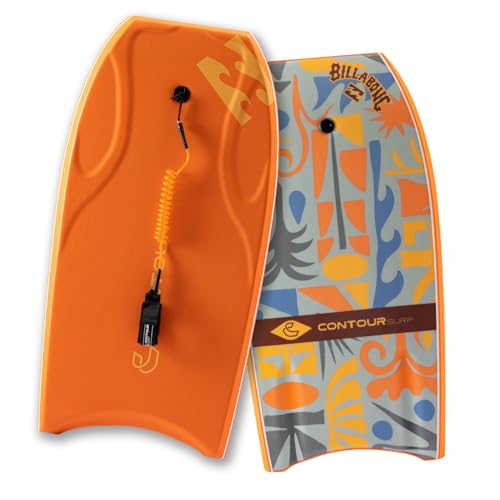
Contour SURF 42" PE Core Bodyboard
Best for: Riders under 200 lbs seeking speed
- Core Material
- PE Core (what this guide is about)
- Board Length
- 42"
- Slick Material
- HDPE
- Stringers
- Two embedded FRP stringers
- Deck Material
- IXPE
- Tail Shape
- Crescent tail
View on Amazon: Contour SURF 42" PE Core Bodyboard Affiliate link
This 42-inch bodyboard features a lightweight PE core and an HDPE slick bottom. The deck uses IXPE foam with nose bulbs for better grip and floatation. Two embedded FRP stringers add flex and control. It supports riders up to 200 lbs. The crescent tail and dual channels help with speed and sharp turns. It suits beginners through pros seeking a stable ride.
Pros
- Lightweight PE core for responsive performance
- HDPE slick bottom with dual channels
- IXPE deck with nose bulbs for grip
- Two embedded FRP stringers for control
- Supports up to 200 lbs
Cons
- Single-fin setup limits high-speed stability
- No remote or app connectivity
- 1-year warranty is shorter than competitors
Good fit if
- You want a lightweight board for beach use
- You need a board that supports up to 200 lbs
- You prefer a crescent tail for sharp turns
Skip if
- You need a multi-fin setup for stability
- You require a warranty longer than one year
- You are a beginner needing maximum buoyancy
Verdict: Contour SURF 42" PE Core Bodyboard offers a balanced mix of speed and control for riders under 200 lbs. Its lightweight PE core and HDPE slick make it ideal for beach surfing.

Morey Turbo 4 Classic Bodyboard
Best for: Intermediate to advanced riders seeking drive
- Core Material
- PE Core (what this guide is about)
- Board Length
- 42"
- Slick Material
- HDPE
- Stringers
- Twin internal Rex stringers
- Deck Material
- NXLPE
- Tail Shape
- Crescent tail
View on Amazon: Morey Turbo 4 Classic Bodyboard Affiliate link
This Morey Turbo bodyboard uses a PE core for durable, responsive flex. It features a twin internal Rex stringer system for stiffness and torsional strength. The HDPE slick bottom reduces drag for speed, while the NXLPE deck offers comfort. The crescent tail and graduated channels enhance edge control. At 6 pounds, it is a solid option for intermediate to advanced riders seeking drive in powerful surf.
Pros
- PE core provides durable and responsive flex
- Twin internal Rex stringers add stiffness and control
- HDPE slick bottom reduces drag for speed
- NXLPE deck offers soft, comfortable touch
Cons
- Heavier at 6 pounds than some competitors
- Only available in 40", 41", and 42" sizes
- No mention of a carrying bag or leash included
Good fit if
- You want a board with strong drive and control
- You ride in cool to moderate water temperatures
- You prefer a durable PE core for longevity
Skip if
- You need a board lighter than 6 pounds
- You require a specific size outside the 40-42 inch range
- You prefer a softer, less stiff ride for beginner conditions
Verdict: Morey Turbo 42" Bodyboard delivers stiff, responsive performance for riders who prioritize drive and durability. It fits those who want precise edge control and a classic, high-performance feel in the water.

BZ T-10 42-Inch Crescent Tail Bodyboard
Best for: cold-water surfing and barreling waves
- Core Material
- PE Core (what this guide is about)
- Board Length
- 42"
- Slick Material
- HDPE
- Stringers
- RCS Single Stringer
- Deck Material
- 8lb Green Cell
- Tail Shape
- Crescent Tail
View on Amazon: BZ T-10 42-Inch Crescent Tail Bodyboard Affiliate link
The BZ T-10 is a 42-inch bodyboard with a PE core. It features an 8lb Green Cell deck for grip and an HDPE slick for speed. The Phuzion core offers recoil in cold water. A single RCS stringer adds stiffness. The crescent tail aids fluidity in barreling waves. This setup suits riders seeking control and adaptability in varied surf conditions.
Pros
- PE core with Phuzion technology for cold-water recoil
- 8lb Green Cell deck provides durable grip
- HDPE slick boosts speed and board control
- Crescent tail reduces contact for better fluidity
Cons
- Single stringer offers less stiffness than dual setups
- 42-inch size may be large for smaller riders
- No specific weight limit data provided
Good fit if
- You ride in colder surf conditions
- You prefer a crescent tail for barreling waves
- You want a durable HDPE slick surface
Skip if
- You need a dual-stringer for maximum stiffness
- You require a shorter board for small frames
- You prefer a rounded tail for loose turns
Verdict: The BZ T-10 42" Bodyboard fits riders who prioritize cold-water performance and tail fluidity. Its PE core and HDPE slick deliver reliable speed and control in challenging surf.
Specifications side by side
| Spec | Morey Mach 7 41-Inch Crescent Tail Bodyboard | THURSO SURF 42" PE Core Bodyboard | Contour SURF 42" PE Core Bodyboard | Morey Turbo 4 Classic Bodyboard | BZ T-10 42-Inch Crescent Tail Bodyboard |
|---|---|---|---|---|---|
| Board Length | 41" | 42" | 42" | 42" | 42" |
| Core Material | PE (Polyethylene) | PE Core | not stated | not stated | PE Core |
| Slick Material | HDPE | HDPE | HDPE | HDPE | HDPE |
| Stringers | Single Power Rod Stringer | 2 FRP stringers | Two embedded FRP stringers | Twin internal Rex stringers | RCS Single Stringer |
| Deck Material | TC8 / NXLPE | IXPE | IXPE | NXLPE | 8lb Green Cell |
| Tail Shape | Crescent Tail | Crescent Tail | Crescent tail | Crescent tail | Crescent Tail |
| Mesh Reinforcement | not stated | Plastic mesh | Mesh reinforcement | not stated | not stated |
| Weight Capacity | not stated | 200 lbs | Up to 200 lbs | not stated | not stated |
| Style | Deck | Deck | Deck | not stated | Deck |
| Length | not stated | 42 inches | 41.7 inches | 42 inches | not stated |
| Width | not stated | 21.5 inches | 21.7 inches | 42 inches | not stated |
| Weight | not stated | 9.44 pounds | 3.75 pounds | 6 pounds | 4.35 pounds |
| Size | 41" | 42 INCH | 42 Inch | 42" | 42" |
| Color | YELLOW | Turquoise | Tangerine | Blue | Blue |
| Model | not stated | TS21-BB-LT | not stated | Morey Turbo | 22009 |
Frequently asked questions
Does a PE core bodyboard absorb water?
No, it does not. PE stands for polyethylene, which is a closed-cell foam. This structure traps air bubbles inside the material, preventing water from entering. If the surface gets scratched, the core remains dry, keeping the board lightweight and buoyant over time.
Is a PE core good for beginners?
Yes, it is excellent for beginners. The material is durable and resists dings and impacts from rough handling. It offers a stiff, responsive ride that helps new riders learn control. The buoyancy also makes paddling easier, allowing you to catch waves with less effort.
How heavy is a typical PE core board?
Weight varies by model and size. For example, the Contour SURF 42" weighs 3.75 pounds, while the Thurso SURF 42" weighs 9.44 pounds. The Morey Turbo 4 Classic weighs 6 pounds. Lighter cores often provide faster acceleration, while heavier ones may feel more stable.
What slick material pairs with PE cores?
Most PE core boards use HDPE slicks. This high-density polyethylene surface is tough and resists abrasion from sand and rocks. It complements the durable PE core, creating a board that withstands beach riding and maintains its slick surface for consistent speed and glide.
Are PE core boards suitable for cold water?
Yes, they are well-suited for cold water. The closed-cell foam does not absorb water, so the board stays light even in chilly conditions. The Morey Mach 7 41" is specifically noted as suitable for intermediate riders in cool water, offering reliable performance in these environments.
Does a PE core affect board flexibility?
PE cores generally offer a stiff and responsive ride. This stiffness provides precise edge control, which is vital for advanced maneuvers. The Morey Turbo 4 Classic, for instance, delivers stiff performance for riders who prioritize drive. This rigidity helps the board cut through water efficiently.
What tail shapes work best with PE cores?
Crescent tails are common with PE core boards. The BZ T-10 and Morey Mach 7 both feature this shape. It allows for fluid turns and speed generation. The flexible tail works well with the responsive nature of the PE core, enhancing control in barreling waves.